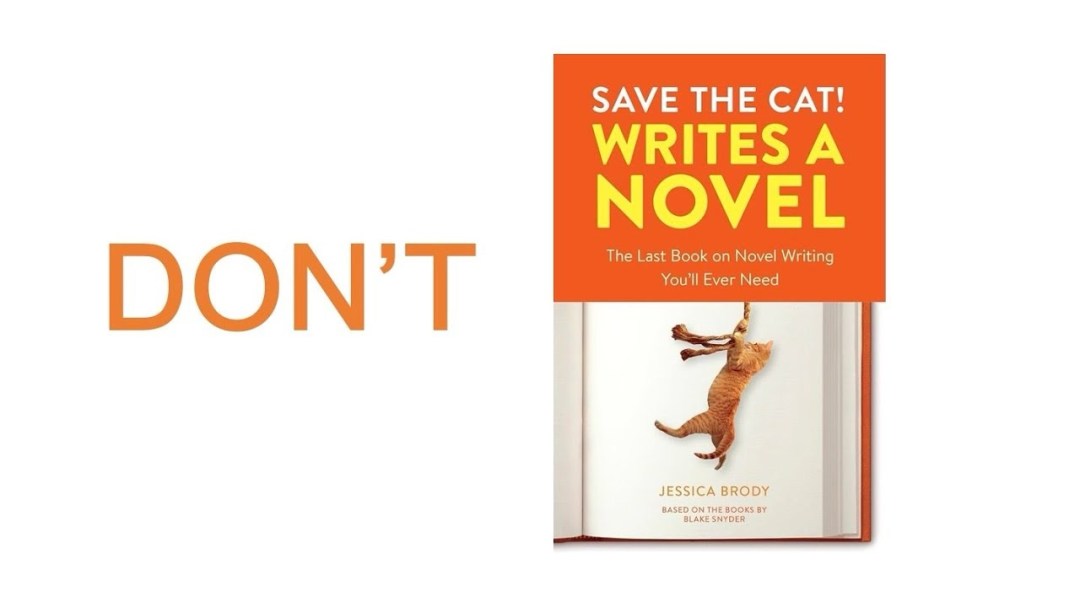
Plotting a novel using the Save the Cat method, popularized by Blake Snyder, can be inadvisable for several reasons, particularly for writers seeking originality or depth. While the structure offers a clear, formulaic approach—dividing a story into 15 beats like “Catalyst” and “Midpoint”—its rigid framework risks stifling creativity and producing predictable narratives.
First, Save the Cat was designed for screenwriting, not novels. Screenplays demand tight pacing and visual clarity within a 90–120-minute runtime, whereas novels allow for more expansive storytelling, subplots, and internal character development. Applying a screenplay formula to a novel can result in a story that feels constrained or overly cinematic, neglecting the medium’s strengths, like deep POV or intricate world-building.
Second, the method’s popularity has led to overuse. Its beats, such as the “Dark Night of the Soul,” are so recognizable that readers may feel they’re reading a template rather than a fresh story. This predictability can alienate audiences craving unique narratives, especially in genres like literary fiction or experimental works where structure often serves theme over plot.
Third, Save the Cat prioritizes external action over internal character arcs. Its focus on plot milestones can sideline complex emotional or psychological journeys, which are often central to novels. Writers risk creating characters who serve the plot rather than driving it organically, leading to shallow or clichéd motivations.
Finally, adhering strictly to any formula can limit a writer’s growth. While Save the Cat provides a safety net for beginners, over-reliance may discourage experimentation or discovery during the writing process. Novels thrive on flexibility, and a one-size-fits-all approach can stifle the organic evolution of a story.
While Save the Cat offers a useful starting point, its rigid, screenplay-rooted structure can constrain a novel’s potential, producing formulaic results that lack depth or originality. Writers should adapt it loosely, if at all, to suit their unique vision.
Consider this example:
Beat 1: Opening Image
Sir Aldrich stands on a wall watching the sunrise thinking about the princess as he curses a changing world.
Beat 2: Theme Stated
Sir Aldrich’s mentor, the wise and wizened mage Dumblebum, lays his gnarled hand on the knight’s shoulder and wearily mutters, “The only constant in life is change.”
Beat 3: Set-Up
Sir Aldrich spends 60 pages doing everyday knightly things to establish his “ordinary world” and status quo, revealing his flaws, introducing important supporting characters, and hinting at the conflict to come
Beat 4: Catalyst
The very attractive and sultry princess is abducted by cultists, an event that changes Sir Aldrich’s life forever and finally sets the story in motion after five whole chapters of boring set-up.
Beat 5: Debate
Sir Aldrich spends 60 pages navel-gazing as he ruminates on whether or not he should go after the McMuffin and save the voluptuous and wanton princess, because Blake Snider said this beat has to drag on for a whole bloody 10% of the story.
Beat 6: Break into Two
Sir Aldrich assembles his team, including his loyal squire, a foppish bard, plucky thief, and dour mage. Together they gallop off after the cultists on their noble steeds, lustily banging coconut halves together.
Beat 7: B-Story
Beginning with a saucy wench at a well, Sir Aldrich grapples with the fickle nature of women, a leitmotif that symbolizes his tenuous grip on stability in a changing world while satirically critiquing the patriarchy.
Beat 8: Fun and Games
Sir Aldrich leads his team through escalating missions, facing a killer rabbit, a one-eyed monster, a plague-ravaged hamlet, and a witch trial he navigates, proving himself a master debater against a cunning linguist.
Beat 9: Midpoint
In a crucial turning point, the stakes are raised when Sir Aldrich’s attempt to storm the cultist’s stronghold with a giant wooden badger is repulsed. The conflict intensifies with the introduction of a ticking clock given to Sir Aldrich by a gnomish seer with a twitchy eye and a speech impediment.
Beat 10: Bad Guys Close In
Reeling from the failed attempt to reach the objective, Sir Aldrich rallies his team to pursue a McMuffin that can access the cult’s stronghold through a “back door.” Facing cult opposition and betrayals from rogue nobles and a rebel double agent in a series of gut-punch knife-twists, he forges uneasy alliances and navigates a war-torn landscape in his quest to secure the McMuffin.
Beat 11: All is Lost
Sir Aldrich’s loyal squire is hideously burnt alive by a wyrm, and Goodman Tanner loses an eye in the suicidal but ultimately successful attempt to secure the McMuffin.
Beat 12: Dark Night of the Soul
Sir Aldrich has secured the McMuffin, but at what cost? After wallowing in the depths of despair for 30 pages while his team argues over whether to continue, a memory of a lullaby his nanny once sang gives him the strength to rally his companions and press on.
Beat 13: Break into Three
McMuffin in hand, Sir Aldrich prepares to confront the cultists with a surprise entry, penetrating deeply through their rear.
Beat 14: Finale
Sir Aldrich dons his armor and sharpens his sword as his bard strums “Eye of the Tiger” on his lute, and they storm the cults stronghold, but face a setback in the tower. He digs deep down, finding hidden resolve, and executes a new plan, saving the princess from a fate almost as tragic as a bad hair day.
Beat 15 Closing Image
Sir Aldrich stands on a wall watching the sunset, the princess by his side, as he embraces a changing world.
Why it Doesn’t Work
The provided Save the Cat beat sheet for Sir Aldrich’s story exemplifies why the method’s structure and pacing falter for novels. Its rigid adherence to screenplay-inspired beats results in a narrative that feels formulaic, bloated, and disconnected from the novel’s potential for depth.
The Opening Image and Theme Stated are overly on-the-nose. Sir Aldrich’s sunrise musings and Dumblebum’s explicit “change is constant” line lack subtlety, telegraphing the theme without engaging readers. Novels thrive on nuanced setup, not blunt declarations.
The Set-Up and Debate beats, spanning 120 pages, cripple pacing. Sixty pages of “knightly things” and another sixty of navel-gazing indecision make the story drag, alienating readers before the plot begins. Novels require early momentum, but Save the Cat’s protracted setup, designed for a 10–15-minute screenplay opening, feels interminable in prose.
The Catalyst, delayed until after five chapters, underscores pacing issues. The princess’s abduction should spark immediate action, but the prolonged buildup diminishes urgency. Similarly, the B-Story about women and patriarchy feels forced, a thematic checkbox rather than an organic subplot, highlighting the method’s tendency to prioritize formula over coherence.
The Fun and Games and Bad Guys Close In sections, while action-packed, rely on episodic, clichéd encounters (killer rabbit, one-eyed monster). This “promise of the premise” works in films but feels disjointed in a novel, lacking the connective tissue of character depth or world-building. The Midpoint’s wooden badger and ticking clock add cartoonish stakes, undermining narrative weight.
The All Is Lost and Dark Night of the Soul beats, with a squire’s gruesome death and 30 pages of despair, overstay their welcome. Novels demand emotional resonance, but the prolonged wallowing feels manipulative, not earned. The Finale and Closing Image, while tying up loose ends, mirror the opening too neatly, creating a predictable, circular narrative that lacks surprise.
Ultimately, Save the Cat’s rigid beats force a novel into a screenplay’s constraints, resulting in sluggish pacing, shallow characters, and a paint-by-numbers plot that stifles creativity and reader engagement.
Discover more from The Annex
Subscribe to get the latest posts sent to your email.

 The Annex